
Hautes Alpes Climbing
The Les 2 Vallées guide bureau in Gap offers you the most beautiful climbing routes in the Hautes-Alpes and the Southern Alps, supervised by state-certified instructors: Gapençais, Veynois, Dévoluy, Mathésine, Champsaur, Sisteronais, Buëch, Diois…
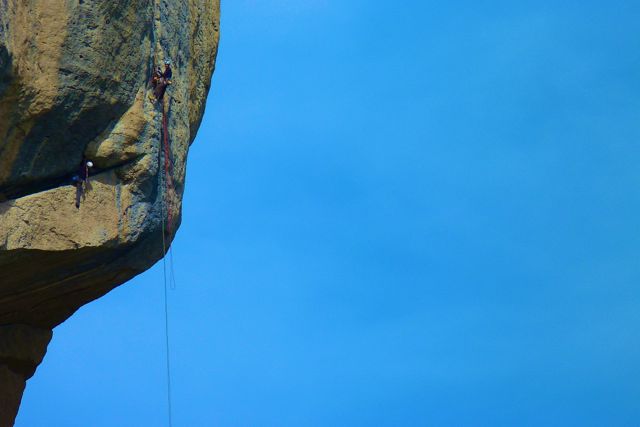
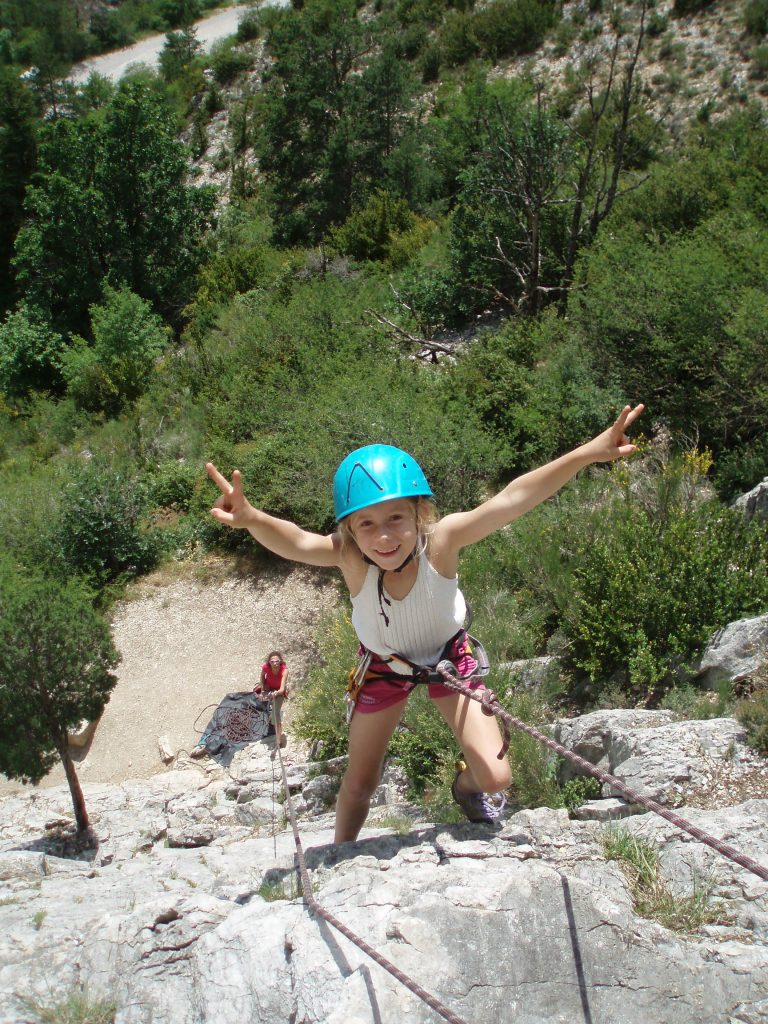
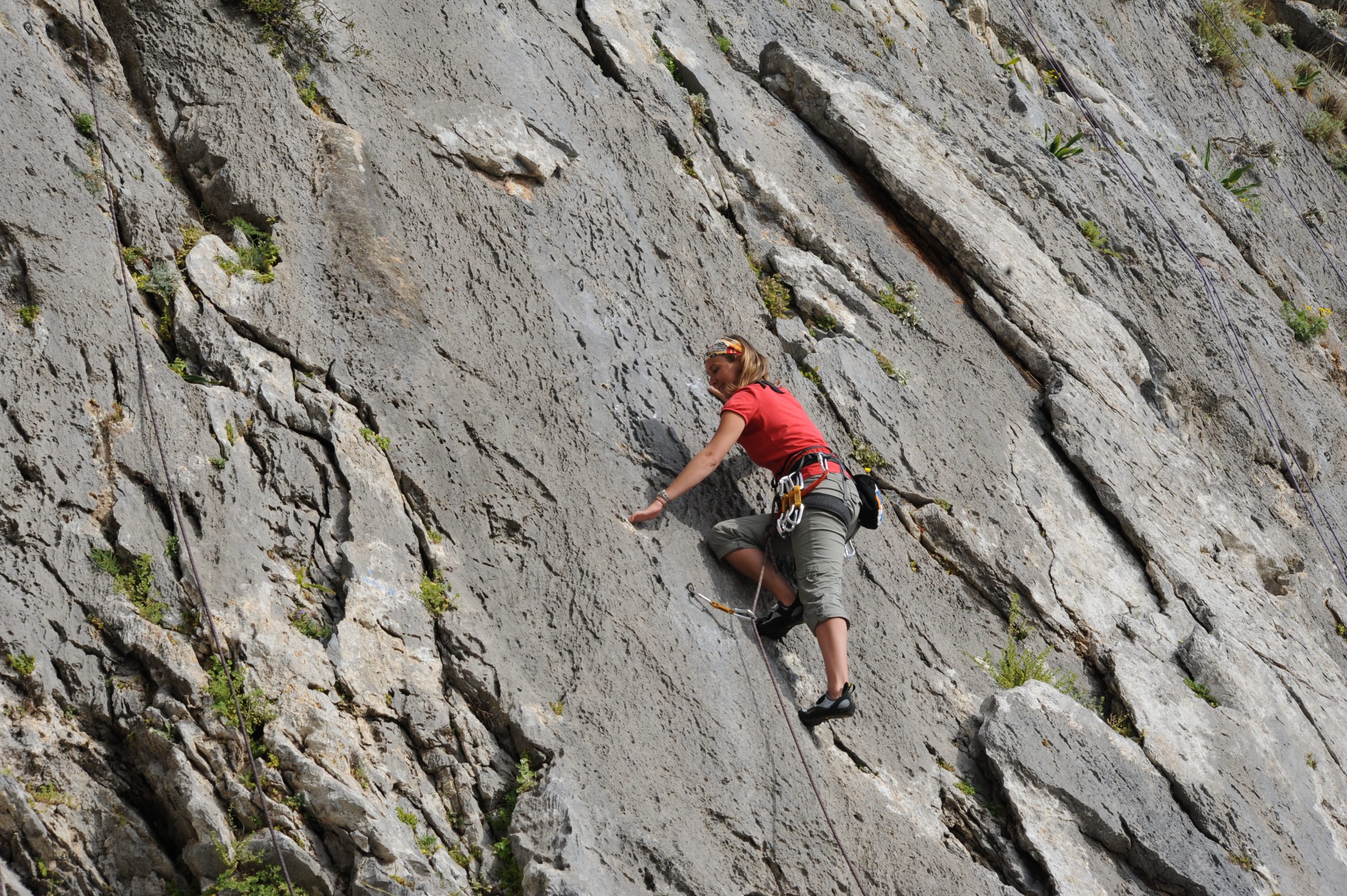
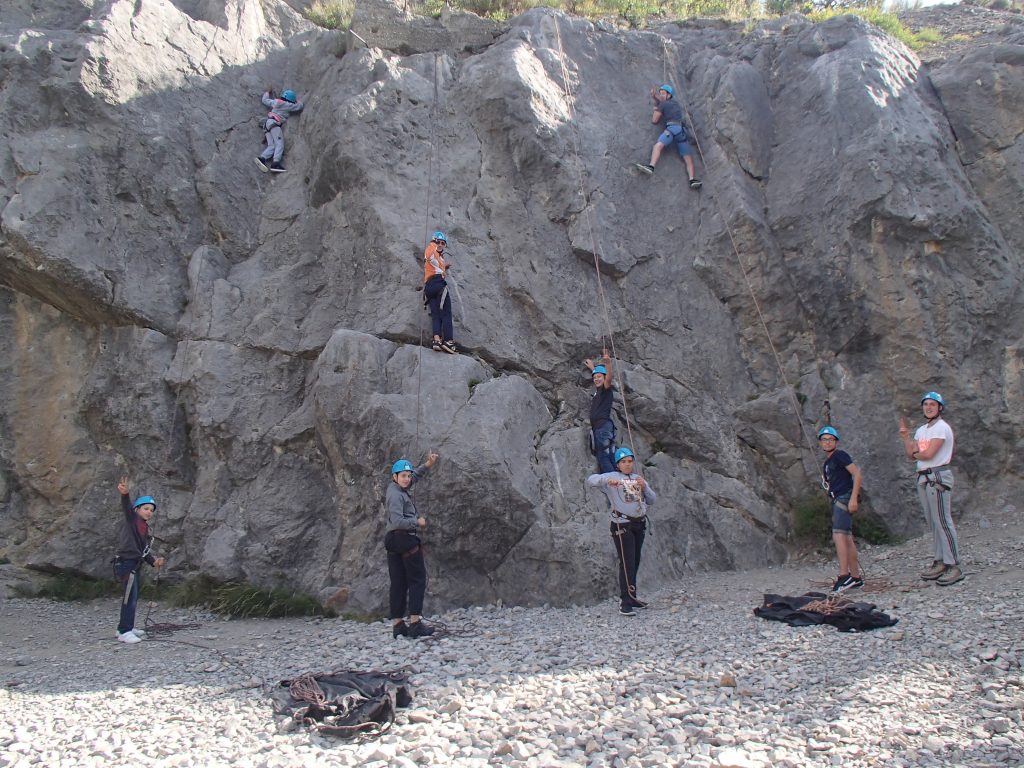
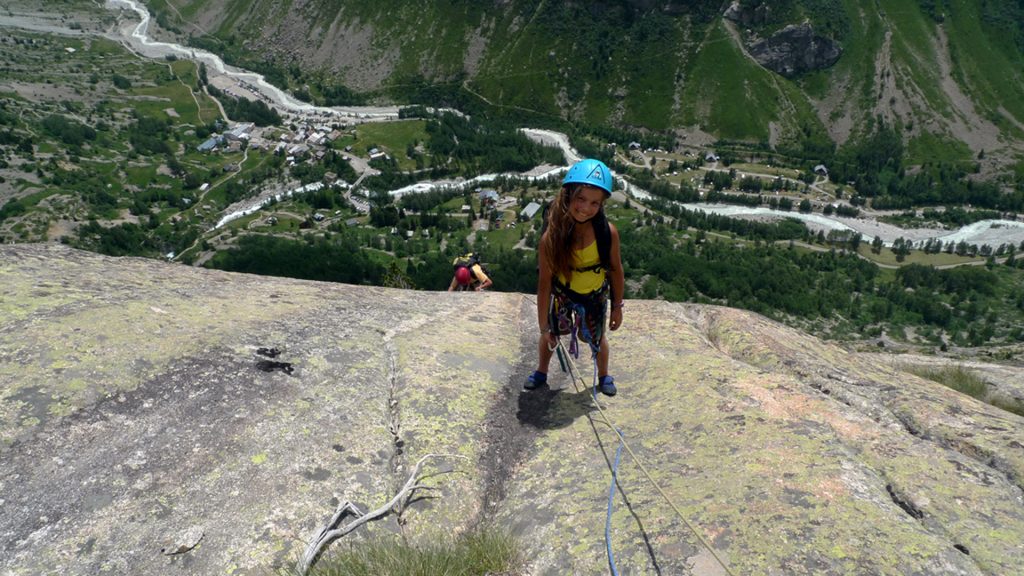
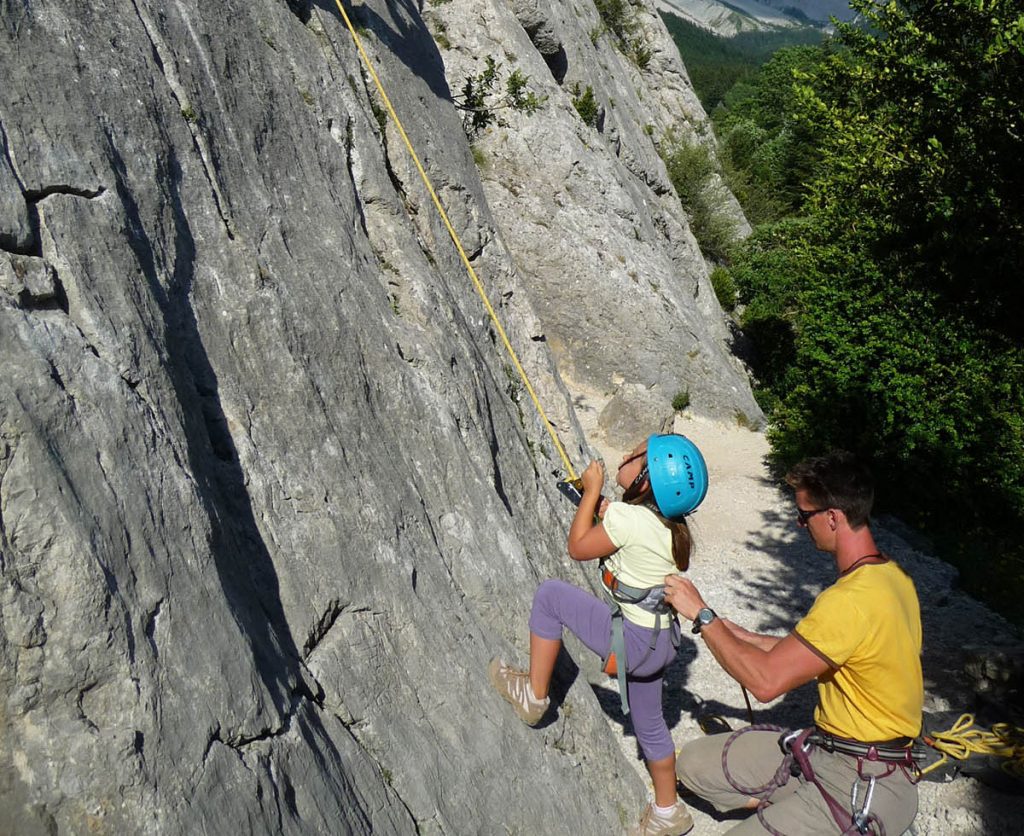
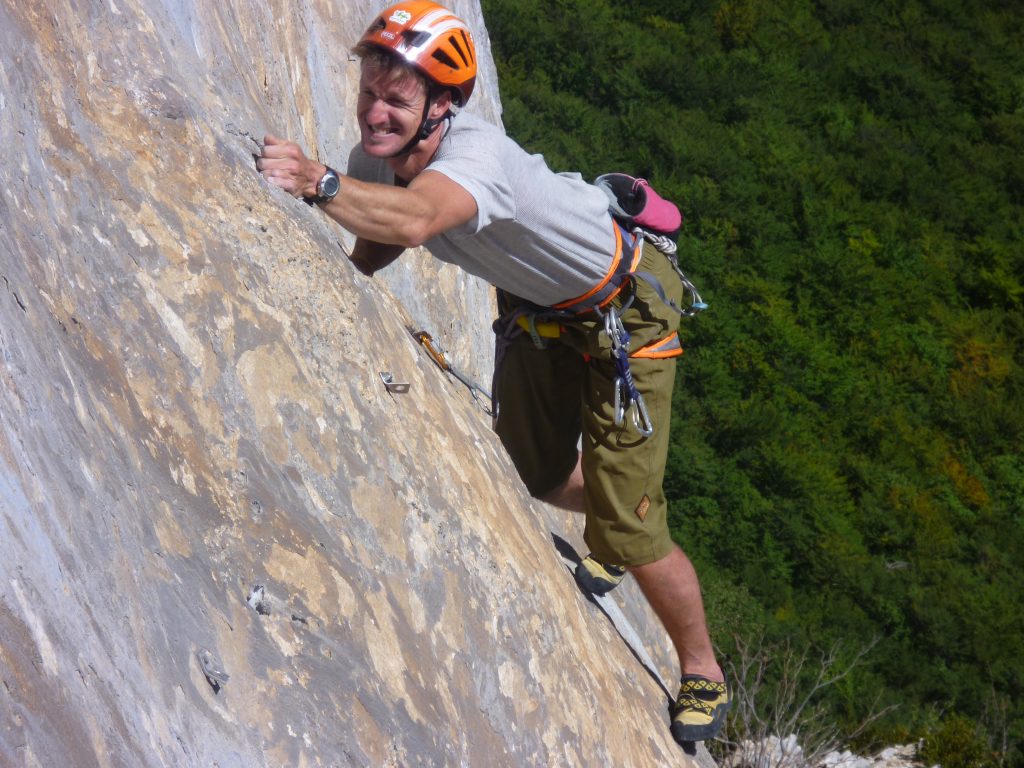
Our climbing trips in the Hautes Alpes and beyond
- In the Champsaur: Corbières, Mézel, Chaillol
- In the Buëch: La Roche des Arnauds, Bloc de Ceüzette, Gorges d’Agnielles, La Berche, la Corbière, la Jarjatte, Orpierre …
Discovery Family
Duration: 2h30
Max pers. : 12
From €30/pers.
Major routes HALF DAY *
Duration: 4 hours
Max pers. : 2
From €180
Major routes day *
Duration: 8 hours
Max pers. : 2
From €320
Group rates: please contact us
* Prices may vary depending on the difficulty of the route/cliff.
Our top Climbing outings Level Discovery Family
-
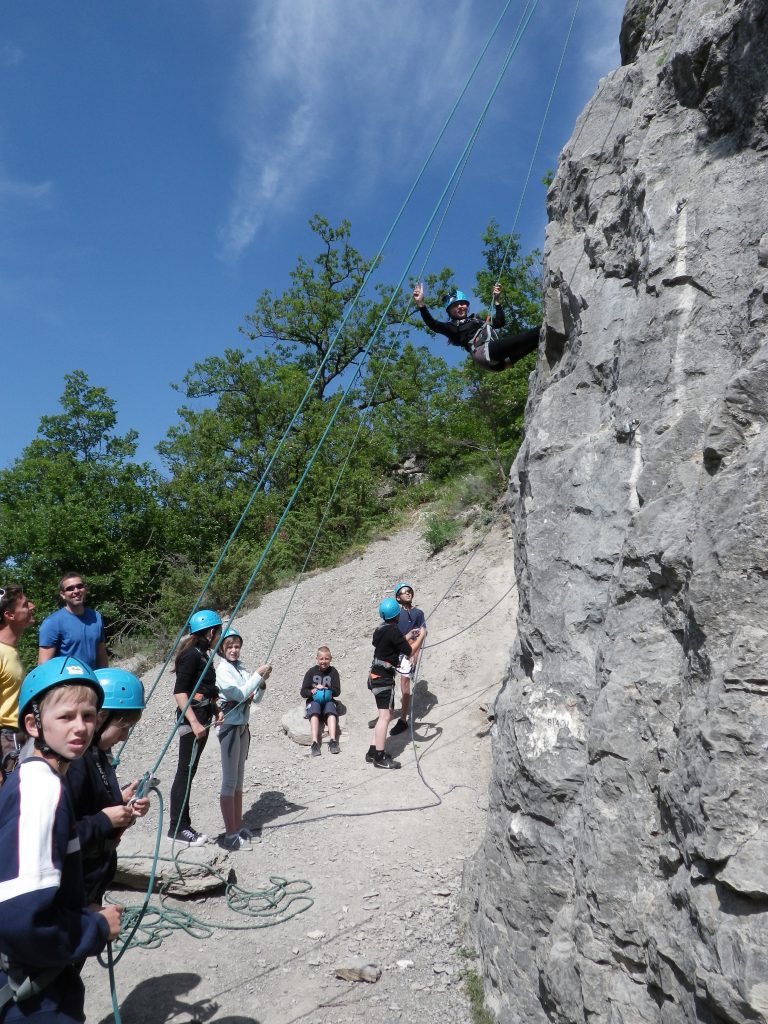
Corbières Falaise des Dauphins
(
)
30,00 € /pers. -
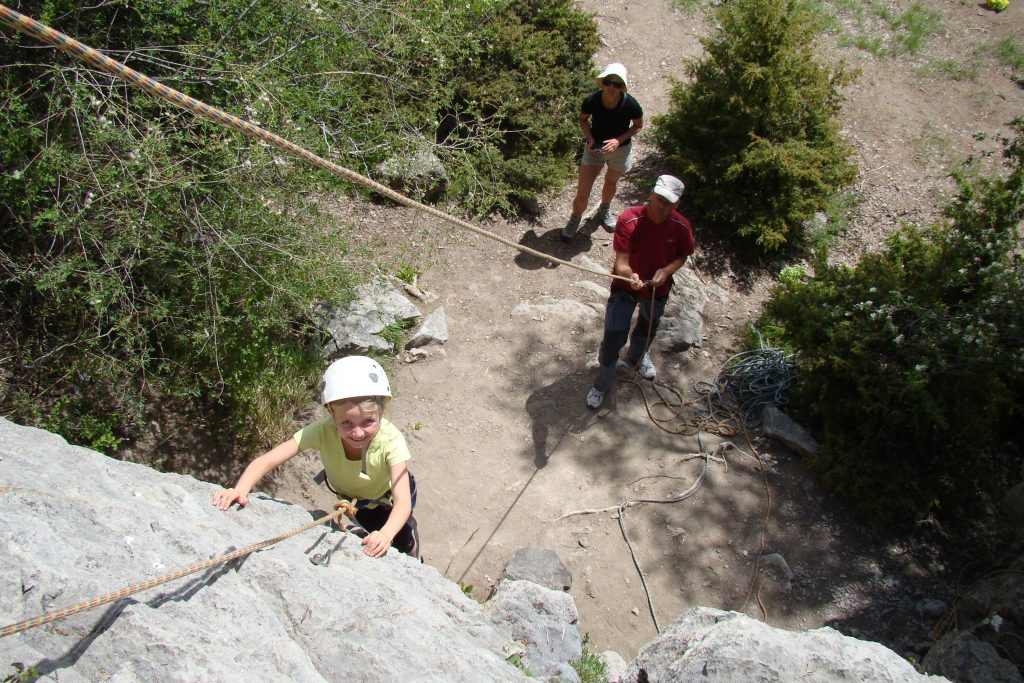
La Roche des Arnauds
(
)
30,00 € /pers.
What is climbing?
Climbing consists of moving along a wall to reach the top.
There are many different types of climbing surface (artificial walls or natural cliffs) and many different types of practice. They range from low-lying boulders (requiring no special insurance) to small cliffs of around 30 metres to major routes on vertiginous walls several hundred metres long.
- The playground for climbers is many and varied.
- It’s an activity that develops great physical, mental and social qualities.
- It’s open to all, and everyone will find their own style and path.
Accompanied by a qualified instructor, set off on a long route to perfect your footing technique and sharpen your mental skills on the crags. Whether you’re a beginner or an experienced climber, aged 6 and over, a fan of one-length routes or long flights of over 300 metres, we’ll help you discover the magic of limestone slabs.
Where can you go climbing if you’re a beginner?
- The school cliffs (called “couenne” in the jargon) for beginners or advanced climbers:
There’s nothing like a cliff school for discovering this exhilarating activity, which allows you to climb walls of between 10 and 30 metres in complete safety. Your climbing companion will hold you in place in the event of a fall, using the rope, harness and various karabiners. Then, to return to terra firma, all you have to do is sit in the harness and your partner on the ground will bring you back down by gently braking the rope.
Sessions at the end of the day will enable you to familiarise yourself with all the basic techniques and push back your physical and mental limits.
- Bouldering gyms, also known as indoor climbing gyms, allow you to develop your climbing skills on indoor climbing walls equipped with bouldering holds, grouped into routes of multiple levels (ratings), divided by colour, with slopes of varying inclinations, and large mats on the ground.
The routes change regularly. Ideal for beginners, advanced climbers, those who want to hone their skills or keep their skills up to date.
The big plus: they are open in summer and winter, are located in the town centre and offer a safe environment with minimal equipment. Ropes and harnesses are provided, so all you need is sportswear and a pair of slippers (which can be hired on site). Easy, flexible and practical!
The most famous climbing sites in the Hautes Alpes
Our Bureau des Guides offers star-rated climbing trips from Gap, in the heart of the Hautes-Alpes. On request, we can organise outings in other Dauphiné valleys. Don’t hesitate to ask.
- In the Briançon area: Ailefroide (3a to 8a), Arsine (3a to 8a), Entraygue (6a to 9a), la Grande Falaise (Freissinières / 5a to 8c), l’Atelier (6b to 8a+), le Fournel (4b to 9a), le Rif d’Oriol (5b to 8b), le Rocher des Brumes (7a to 9a), les Cerces (5c to ED).
- In the Guillestrois Queyras: la Saume (Ceillac / 6a to 8c), le pudding de Mont-Dauphin (3 faces / 4c to 8b)
- In Devoluy: le Pieroux (3 to 6c+), les Gicons (3c to 8a)
- In the Buëch: the limestone cliff at Céüze (5a to 9a+)
- On Serre-Ponçon: la Rochette (4a to 7b)
- In the Gapençais: the Dalle de Gleize (4+ to 6a+)
More information
- Activity available from June to September (from age 6)
- Appointment times are subject to availability. You can indicate your preference when making an appointment.
- You will then receive all the details of your activity (address, contact details and practical information).
- If the activity is cancelled for weather reasons, it will simply be postponed or cancelled.
Equipment required
- You will meet the guide and the other participants at the location indicated (see map provided): our guide will welcome you and provide you with your equipment.
- All the equipment you need for the activity will be lent to you and explained: helmet, harness, lanyards.
- Take something to eat and drink with you.
- Depending on your destination, you will be told what additional equipment you need to bring.
- The different stages of the activity and the safety rules will be explained to you before you set off.